
Federal News
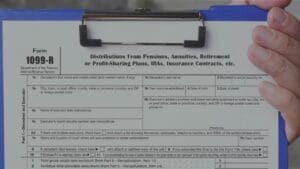
How to Get Your 1099-R for CSRS/FERS Annuity and TSP
Your annual 1099-R tax form reports how much income you earned from your annuity. If you do not receive a ...

Roth in-plan conversions arrive for TSP, but consider tax implications first
Beginning Jan. 28, the Thrift Savings Plan now allows participants to convert traditional (pre-tax) balances into Roth (after-tax) balances inside ...

OPM Drops Proposal to Speed Up Health Coverage for Those Newly Eligible
OPM has dropped a Biden administration-era proposal to make coverage under the FEHB and PSHB programs effective sooner for federal ...
TSP investments begin 2026 in the black
The federal government’s 401(k)-style retirement savings program began 2026 on a positive note, with each of its investment portfolios posting ...

Roth in-plan conversions available in your TSP
As of January 28, 2026, you have the option to convert money from your traditional TSP balance to a Roth ...

How federal employees can protect a spouse in retirement
Planning for retirement involves more than picking a last working day or exploring new goals and hobbies. It also means ...
OPM – Peeling the Onion on Federal Retirement Processing
Ensuring public servants can retire with confidence, dignity, and timely benefits is one of OPM’s most fundamental responsibilities and it’s ...

Questions and answers about the new deduction for qualified overtime compensation
This Fact Sheet provides answers to frequently asked questions (FAQs) about the new deduction for qualified overtime compensation, such as ...
Signals of a slowdown: What federal employees should do with their TSP right now
With some economic signs raising the caution flag, now is a key moment for federal employees to take a calm, ...

Federal retirement inventory reaches another new high
The Office of Personnel Management now has over 50,000 applications still awaiting a finalized annuity ...