
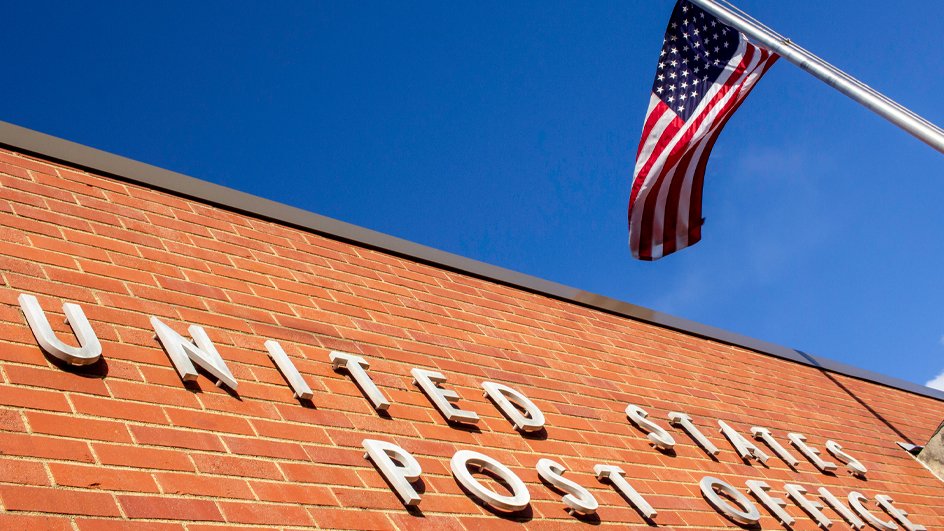
Every address in the country, from a Manhattan high-rise to a ranch at the end of a gravel road in Wyoming, is entitled to the same delivery frequency and the same postage price for a first-class letter. The United States Postal Service (USPS) serves close to 169 million addresses, generally six days a week, whether or not any given route makes money. That is not a business choice. It is a legal command, and it is the starting point for understanding why an agency that lost $9 billion last year cannot simply stop serving the routes that lose the most.
A law that requires service, not profit
The obligation traces to 39 U.S.C. § 101, the section of federal law that has defined the USPS’s mission since the Postal Reorganization Act of 1970. It states that the agency “shall provide prompt, reliable, and efficient services to patrons in all areas and shall render postal services to all communities,” and that the costs of providing that service “shall not be apportioned to impair the overall value of such service to the people.”
A 2022 amendment added a further requirement that delivery occur at least six days a week almost everywhere. The same section requires the USPS to give rural areas and small towns “a maximum degree of effective and regular postal services,” even where the local post office “is not self-sustaining.”
Then comes the line that does the real work: “No small post office shall be closed solely for operating at a deficit.”
I haven’t seen my PM in three weeks.
I asked if SHE was on vaca, or sick leave.
I get the same shrug. Because the Lead clerk lies
for her to help get his hours increased.
Why do we even need PMs biggest scam in the USPS
The WT generally does a decent job of getting things correct, but I hope this isn’t where AI assisted reporting is headed. The piece does point out the numerous challenges the USPS faces, but completely omits poor management practices that contribute to huge deficits. The organization is poorly managed with too many bureaucrats that contribute nothing to its core mission. It’s overseeing entity, the BOG, is a secretive organization that has abdicated its responsibility and rewarded postal management with undeserved bonuses for poor performance. Any discussion about the USPS’S financial situation without a discussion of its management shortcomings is incomplete and unwise.