
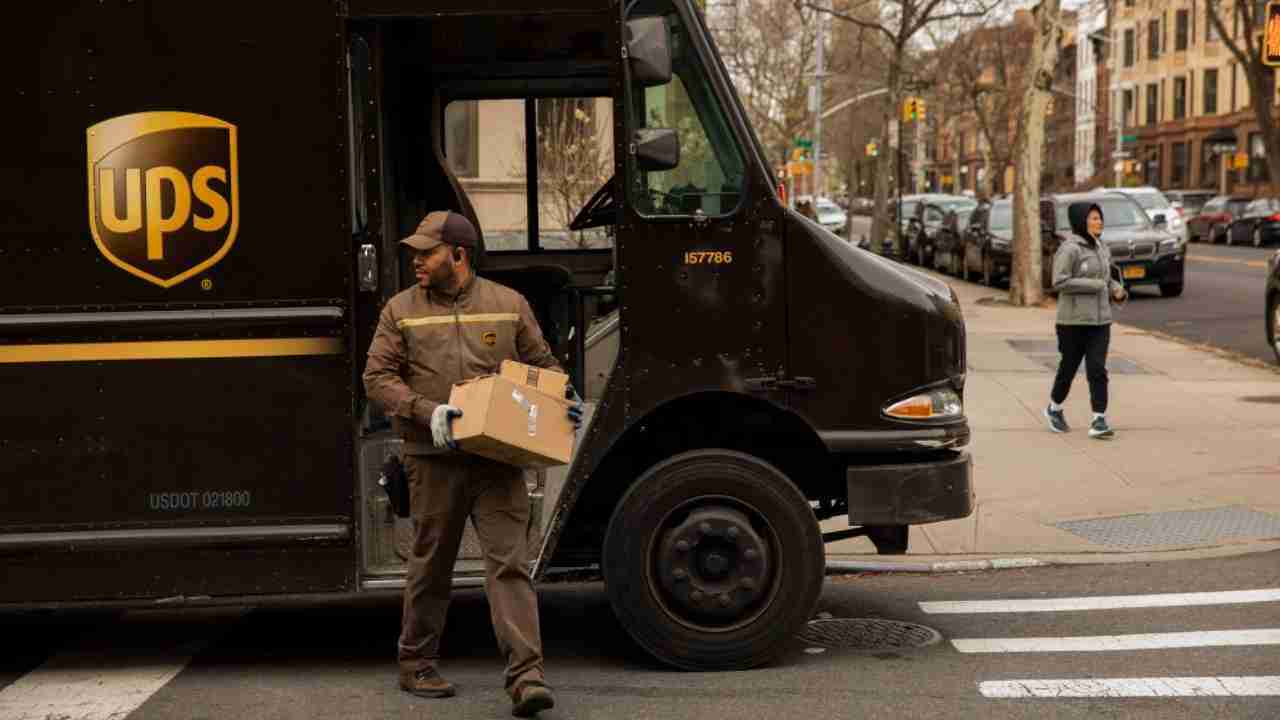
How United Parcel Service negotiates with unionized parcel drivers and loaders when the current contract reaches its end in two years will trigger a tsunami that either wipes UPS from the last-mile delivery market or severely damages its competitors, creating a more competitive landscape that benefits online retailers and consumers, an influential industry analyst predicted last week.
UPS needs to convince the Teamsters union that the current Cadillac-wage structure enshrined in the 2023 contract is unsustainable and the vast majority of parcel delivery jobs will disappear as customers flee to cheaper alternatives, said Satish Jindel, the president of ShipMatrix Inc., at a supply chain conference organized by Ohio-based Jarrett Logistics.
As the only unionized private parcel carrier, UPS has a greater challenge than FedEx in stemming the loss of B2C delivery business to large retailers like Amazon and Walmart, and startup couriers. Teamsters drivers cost about $65 per hour — total compensation when all healthcare and other benefits are included with the $49 hourly rate for senior drivers — compared to FedEx drivers who earn about $35 to $39 per hour on average. UPS’s direct hourly wage is roughly 20% to 28% higher at the experienced-driver level, according to a contract comparison by LJM, a parcel spend management firm.
Regional carriers that heavily rely on contract fleets or gig workers spend about $15 per hour, or less, on last-mile delivery drivers, experts say.
This is what we heard last time too. UPS cannot afford to let this go to a strike and like last time, they’ll most likely come to an eleventh hour agreement. They typically start negotiating well ahead of the deadline and unlike the feckless NALC, the teamsters keep their members informed. Local USPS management actually doesn’t want more volume because then work hours increase and they hear it from upper management. It’s amazing, the USPS nationally needs volume to survive and local managers don’t want it.