
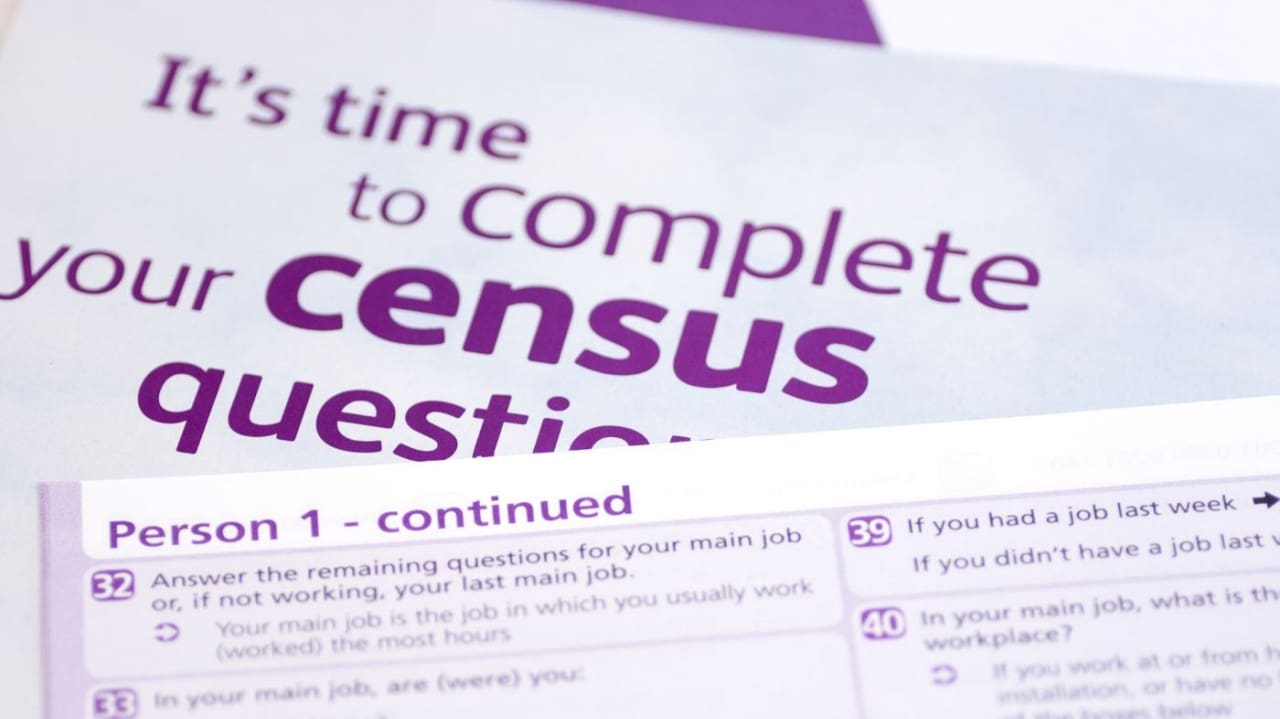
The Trump administration recently announced significant changes to the 2026 Operational Test for the 2030 Census. If implemented, the changes would undermine the utility of what should be a broad, multi-site rehearsal of census operations, potentially compromising the validity of the 2030 Census results. The changes transform the test from a safeguard into a source of additional risk and uncertainty.
The sweeping changes to the Operational Test include a reduction in the number of test sites from six to two; the replacement of the decennial short form with the much longer American Community Survey (ACS) questionnaire, with questions reordered so that a question on citizenship appears earlier; and a pilot to evaluate the use of United States Postal Service (USPS) employees in place of trained Census Bureau enumerators. Any one of these changes would compromise the scientific validity of the exercise. Taken together, they threaten to thoroughly degrade the test’s utility as a planning tool to inform preparations for 2030.
Turning USPS Workers Into Census Enumerators
Replacing dedicated census enumerators with USPS workers threatens to exacerbate the aforementioned fear and mistrust, with good reason. Census enumerators operate under Title 13 confidentiality protections that strictly limit data sharing and impose criminal penalties for violations; they are legally obligated to treat respondents’ information as confidential for statistical use only. Title 13 does not apply to USPS employees, who are governed by more general federal privacy laws. Practically speaking, this means that an administration that has already demonstrated a willingness to blur privacy firewalls between agencies would be operating under a framework that lacks the census-specific statutory protections designed to keep respondents’ identifying information strictly walled off. Against a backdrop of the administration’s escalating rancor toward immigrants, the elevation of a citizenship question without Title 13 protections could understandably chill participation among immigrant households.
The idea of using mail carriers instead of census enumerators is not new. Policymakers previously expressed interest in leveraging the USPS’s existing footprint to reduce costs during planning discussions for the 2010 Census and the early design phases of 2020. However, Government Accountability Office findings from 2011 indicated that using mail carriers at USPS pay rates would be less cost-effective than hiring temporary census enumerators. USPS workers are also unionized, and their scope of work and compensation are strictly defined in their collective bargaining agreements. Expanding their job duties to include census enumeration could therefore require significant renegotiation with postal unions. While the Trump administration has attempted to curtail or disband many federal employee union protections in the name of “national security,” these efforts have been challenged in court and partially blocked.
Add your first comment to this post