
The government addressed a defense challenge regarding automated license plate readers.
Federal prosecutors have asked a judge to deny three requests to throw out evidence against a man accused in the 2024 killing of a Warren mail carrier.
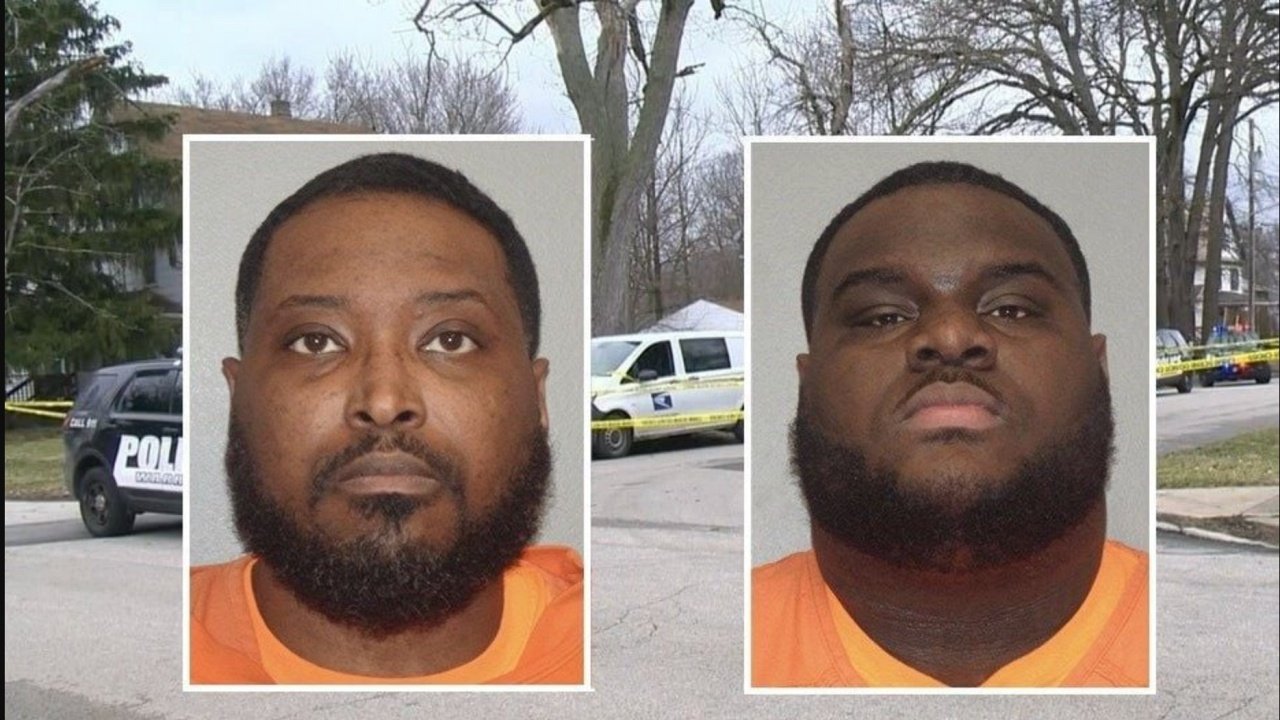
The latest filing in the U.S. District Court outlines the government’s opposition to Kaprise Sledge, who faces murder and firearm charges alongside his father, Thomas Sledge. The charges stem from the March 2024 shooting death of postal worker Jonte Davis in Warren.
Defense attorneys previously filed motions to suppress cell phone data, tracking information, and license plate records, claiming investigators gathered the evidence through what they described as an unlawful “digital dragnet” that violated their client’s constitutional rights.
In the response, Assistant U.S. Attorney Brett Hammond argued that the defense claims lack legal support. Prosecutors asked Judge Donald Nugent to reject all three defense requests.
The government defended the May 2024 arrest of Sledge, which defense lawyers claimed was an unlawful traffic stop designed solely to seize his cell phones. Prosecutors stated that a police officer stopped Sledge for driving 65 mph in a 35-mph zone and for reckless operation. Because reckless operation is a first-degree misdemeanor, prosecutors say officers had the legal authority to arrest him and take his personal property.
Prosecutors also disputed where the phones were found. Although Sledge claimed officers took the phones from inside his car, police reports show they were taken directly from Sledge. Even if the phones were inside the vehicle, prosecutors argued that the smell of burnt marijuana gave officers probable cause to search the car.
The filing also addressed the collection of cell tower location records, which the defense argued was an overly broad invasion of privacy.