
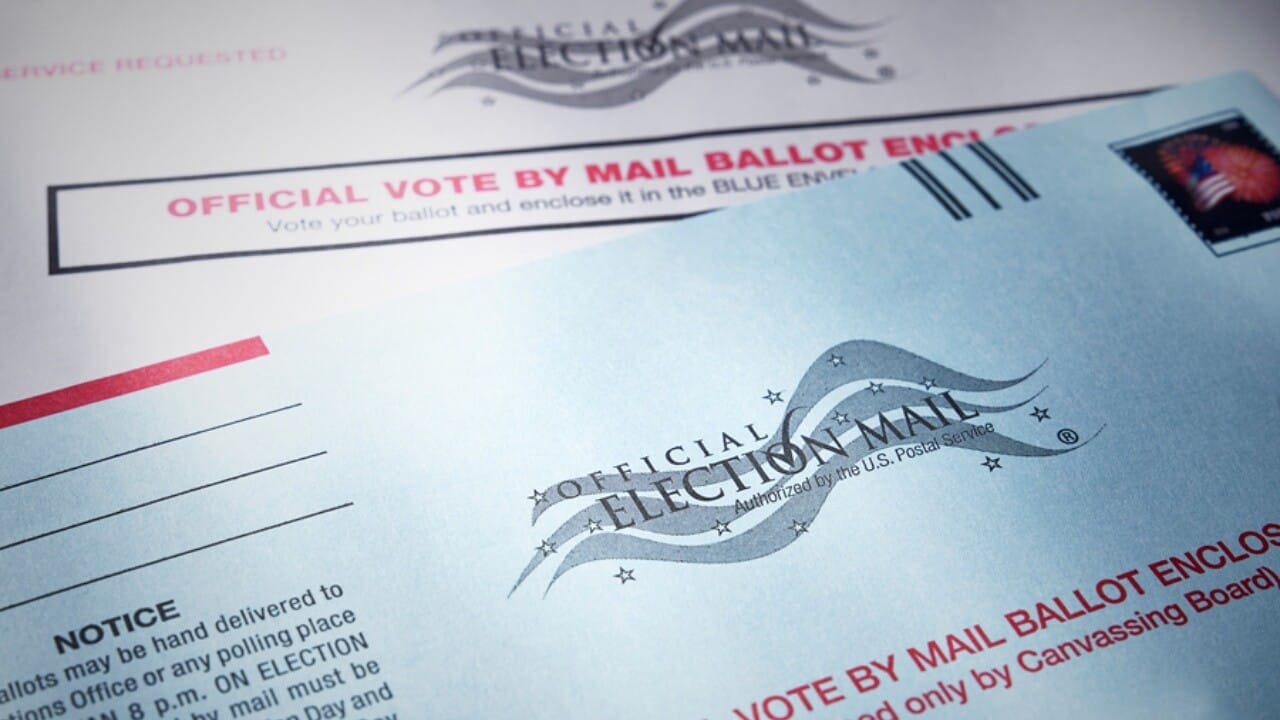
In 2025, the Postal Service changed how mail leaves thousands of post offices. Mail sent from those offices can now wait an extra day before beginning its journey. Voters send their mail ballots back through those offices, and unlike most mail, those ballots must arrive by a deadline. The 2026 primaries were the next federal elections after this change and are the best available guide to what that may mean. November will be the first general election since the change, with a far larger electorate.
That change is part of Regional Transportation Optimization (RTO), a U.S. Postal Service (USPS) effort to run its transportation network more efficiently. RTO covers post offices that are more than 50 miles from the plant that processes their mail. It is one part of Delivering for America (DFA), the agency’s 10-year plan to adjust the network to declining letter volumes.
Three other developments followed, each relevant to whether a mailed ballot counts. In December 2025, USPS confirmed that a postmark may no longer show the day a piece of mail was sent. In June 2026, the U.S. Supreme Court left states free to count ballots that arrive after Election Day, provided they were postmarked on time. Finally in August, at the direction of a March executive order, USPS issued a rule setting new requirements for ballot envelopes and for the data election officials must share with the agency about the ballots they mail. A federal court blocked that rule; and on September 14, the Supreme Court left the block in place, so it will not apply for the November general election.
RTO is different. It changed how mail moves, not how ballots are counted. For a ballot mailed close to the deadline, an extra day can be the difference between being counted and rejected.
In
one of his first appearances before Congress, Steiner said RTO “doesn’t affect delivery.” It was, of course, a lie, and one of the first of many he’s uttered.