
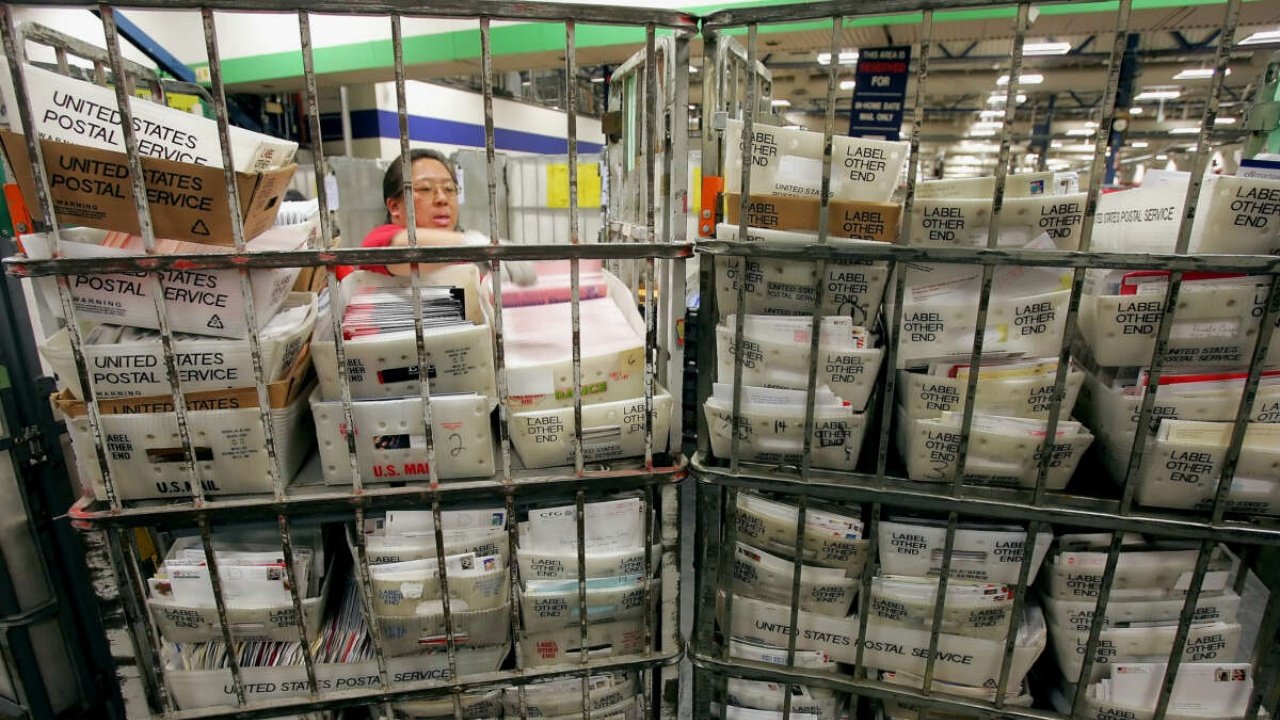
Roll With Control, Safety Is In Your Hands
To ensure the safe movement of Mail Transport Equipment (MTE) inside USPS® facility, it is important to treat every cart, hamper, APC, or OTR as a piece of industrial equipment—not just something on wheels. Most injuries tied to MTE come from preventable strains, slips, and striking objects or employees. A clear focus on body mechanics, route planning, and equipment condition dramatically reduces risk while keeping mail flow efficient.
Why Safe MTE Movement Matters
Moving MTE is one of the most frequent physical tasks in USPS operations. If done incorrectly, it can lead to back strains, shoulder injuries, injured fingers, and trip hazards. If done correctly, it protects employees, preserves equipment, and keeps operations running smoothly. The goal is simple: move mail efficiently with less effort and zero injuries.
Understanding the Equipment
Different MTE types behave differently when moved. Knowing how each one moves helps you choose the safest technique.
n All-Purpose Containers (APCs) — Tall, wheeled containers that can become unstable when overloaded or unevenly loaded.
n Hampers and Wiretainers — Lower to the ground but can be heavy and difficult to steer when full.
n Pallet Jacks— Steer from the rear and require more control and awareness of surroundings due to weight and momentum.
n Over The Road containers (OTR’s) — Often used in plants; are larger and heavier, these must be controlled using the proper steering handles and ensure brakes are set when placed.
Preparing Before You Move MTE-Inspect the Equipment
A quick check prevents the following accidents:
n Are wheels aligned and free of debris?
n Is the equipment free from defects?
n Is the load balanced and secured?
Plan the Route
A safe path is as important as safe technique.
n Identify blind corners, wet floors, or high traffic areas.
n Ensure doors, docks, and aisles are clear.
n Avoid steep inclines when possible.
Load Smart
How you load determines how safely you can move.
n Keep heavier items low and centered.
n Do not exceed recommended capacity.
n Make sure nothing sticks out or obstructs your view.
Core Principles of Safe Movement
Pushing Is Safer Than Pulling
Pushing allows you to use your body weight, maintain a clear line of sight, and keep your spine in a neutral position. Pulling equipment should be avoided if possible.
n Keep hands at about waist height, using the handles, if provided.
n Stay close to the equipment—don’t reach or lean.
n Walk forward with short, controlled steps.
n Continue to watch in front to ensure path remains clear.
Rolling With Control
Wheeled equipment can gain momentum quickly, especially on ramps or smooth floors.
n Test the wheels before moving-ensure they roll freely and aren’t locked or damaged.
n Keep speeds low enough to stop safely at any moment.
n Use both hands for stability and steering.
Safety improves when everyone participates in the following:
n Report damaged MTE immediately and take it out of service.
n Keep aisles and work areas clear.
n Ensure all safety latches are in place.
n Share tips and speak up when you see unsafe movement.
n Encourage new employees to practice proper techniques early.
A safe facility is a productive facility — and every employee plays a role.
The safe movement of Mail Transport Equipment is a fundamental operational requirement and an individual responsibility. Every piece of mail we move depends on the people who move it safely. Injuries are preventable, and safety is never optional. Make the choice every time you move MTE: slow down, roll with control, and put safety first. By upholding these practices consistently, we protect our workforce, safeguard our equipment, and preserve the integrity of Postal Service™ operations.