
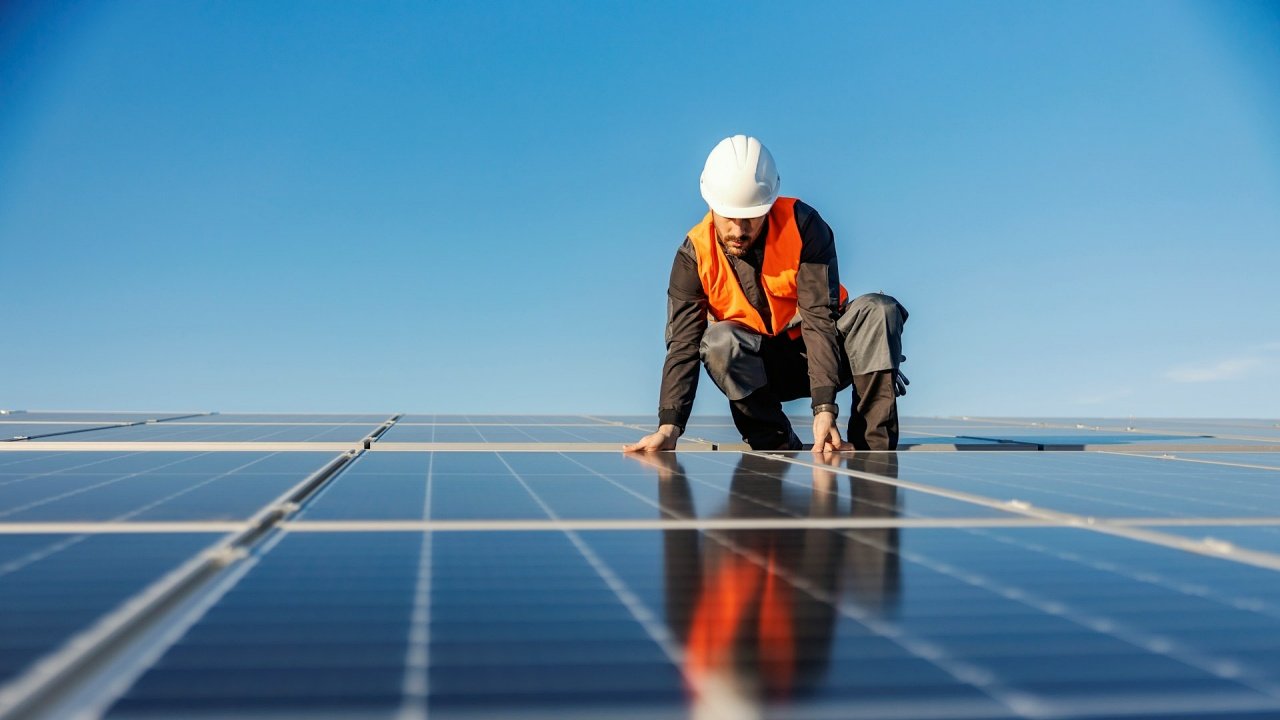
Every day, the United States Postal Service® (USPS®) depends on a reliable and resilient energy infrastructure to support the movement of mail and packages across the country. As part of its long-term strategy, USPS is incorporating renewable energy technologies at select sites to improve operational efficiency, enhance energy resilience, and support cost-effective facility operations.
The Postal Service™ currently has five operational solar installations, with seven additional installations planned across four states and the District of Columbia under Power Purchase Agreements (PPAs). Through these agreements, USPS leverages private-sector investment to meet facility energy needs while avoiding significant upfront capital costs. PPAs also provide access to competitively priced electricity while transferring system ownership, operation, and maintenance responsibilities to third-party providers.
But how does it all work? Let’s take a closer look at how USPS is harnessing the power of the sun to help deliver for the nation.
What is solar energy?
Solar energy is the light and heat produced by the sun that can be converted into electricity using photovoltaic (PV) panels. As a renewable energy source, solar power provides a clean, reliable way to generate electricity without producing greenhouse gas emissions during operation. By capturing the sun’s energy, solar power helps power homes, businesses, and facilities while reducing reliance on traditional energy sources.
What is a Power Purchase Agreement (PPA)?
A Power Purchase Agreement (PPA) is a contractual arrangement between two parties, a power producer and a customer. The producer installs, owns, operates, and maintains the solar energy system, while the customer purchases the electricity it generates at an agreed upon price over a specified period. This approach provides access to reliable, competitively-priced electricity without the significant upfront capital investment or ownership responsibilities associated with owning the system.
How is USPS using solar energy?
USPS is using solar power to help meet facility energy needs while reducing operating costs, improving energy efficiency and strengthening long-term energy resilience. These solar installations also support the organization‘s environmental objectives and demonstrate how renewable energy can enhance day-to-day operations.
In FY 2024 and FY 2025, USPS surpassed its goal of achieving 10 percent renewable electricity consumption by FY 2030. Renewable energy generated through solar power, along with renewable energy credits, is helping USPS advance toward its Scope 1 and Scope 2 greenhouse gas emissions reduction target of a 40 percent reduction by FY 2030 from a FY 2021 baseline. This goal focuses on minimizing emissions from on-site fuel combustion, our postal vehicle fleet and electricity consumption across our facilities. By integrating renewable energy solutions such as solar power, USPS has embarked on a transformative journey to reduce its carbon footprint while optimizing operational efficiency.
This journey is being implemented through a phased solar installation strategy, allowing USPS to maximize benefits while targeting key facilities nationwide. We currently have five sites up and running: two in California, and one each in Massachusetts, New Jersey, and Washington, DC. As we expand, Phase 1 encompasses solar panel installations at three more California locations: Orange, Oxnard, and Chula Vista. These installations are projected to deliver significant energy savings, while demonstrating the ability of USPS to leverage innovative technologies to drive sustainability goals forward. Solar panels from Phase 1 alone will generate the electricity equivalent to power over 150 homes for a full year. These facilities also incorporate Battery Energy Storage Systems (BESS), enhancing energy resilience and supporting a more reliable energy supply. All Phase 1 sites are expected to be fully operational before the end of calendar year 2026.
Building on this momentum, Phase 2 will expand the solar footprint of USPS to five additional facilities in Stockton, CA; Southern Maryland; Brockton, MA; Wareham, MA; and Woburn, MA. Completion is targeted for 2027. Phase 3, currently in development, will further expand renewable energy opportunities at additional USPS facilities based on operational needs, site feasibility, and infrastructure readiness.
How are sites selected?
USPS identifies renewable energy opportunities through a comprehensive evaluation process that considers regional solar market conditions, regulatory requirements, and site feasibility. Candidate facilities are evaluated based on roof condition, structural readiness and replacement schedules to ensure compatibility with proposed installations. Priority is given to sites with recently replaced roofs or those scheduled for replacement as part of long-term planning. Each location is also evaluated to ensure long-term USPS occupancy, helping maximize the value of these investments while minimizing operational disruptions.
As USPS continues to expand its solar energy program, renewable power will play an increasingly important role in supporting a reliable, efficient, and cost-effective postal network. By strategically investing in solar energy and related technologies, USPS is strengthening energy resilience, helping manage long-term operating costs, and supporting the reliable delivery of mail and packages across the country. As additional projects come online, these investments will continue to deliver lasting operational benefits while advancing the long-term energy and environmental objectives of USPS.
For more information about Postal Service environmental goals, go to usps.com/green. Together, we can transform our energy usage as we focus on building a cleaner, brighter, and more sustainable future.
Add your first comment to this post