
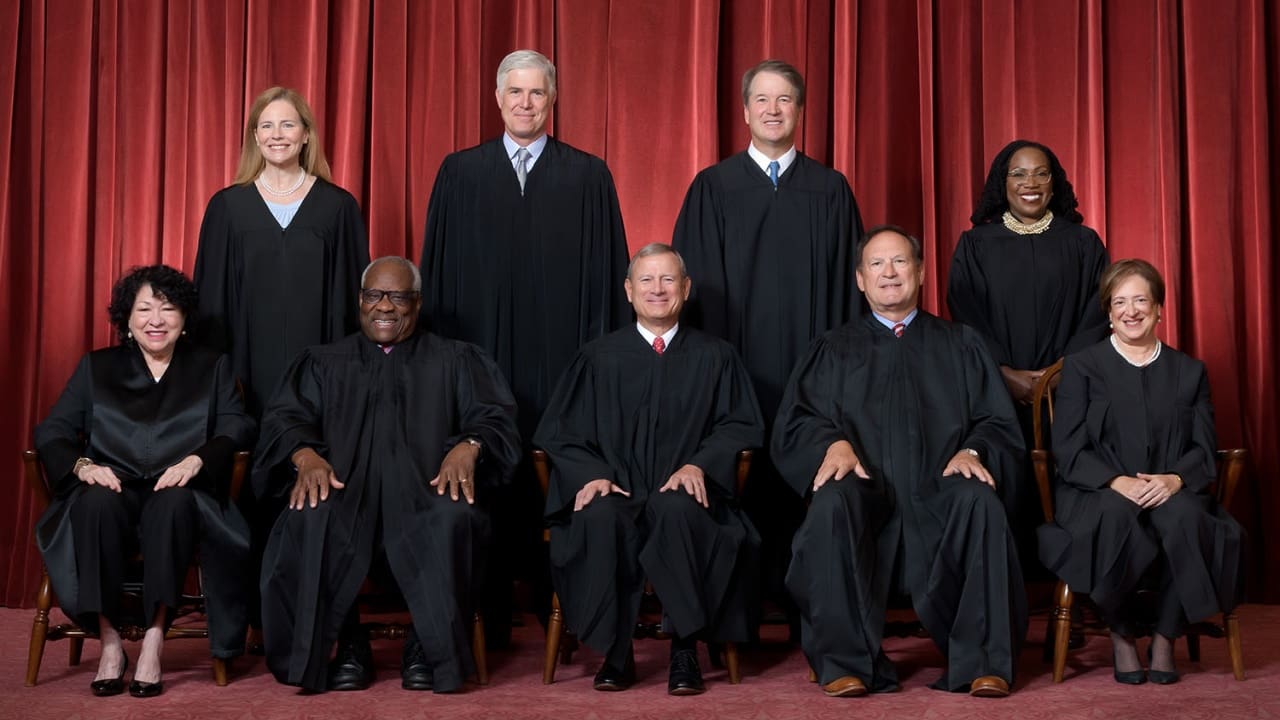
In an argument session featuring competing definitions and colorful hypotheticals, the Supreme Court on Wednesday considered whether the U.S. Postal Service and federal government can be sued over an intentional failure to deliver the mail. While several justices expressed skepticism about the government’s claim that it’s shielded from such lawsuits, some appeared concerned about opening the door to a wave of disputes over lost packages or late Christmas cards.
The case, U.S. Postal Service v. Konan, began when Lebene Konan, a landlady with two properties in Euless, Texas, realized that her mailbox key for one of those properties no longer worked. She alerted the post office, explaining that she typically collected the mail at the box and distributed it to her tenants. After proving that she owned the property, Konan was able to get a new key, but she continued to run into problems, like items being held at the post office or returned to the sender.
Konan estimates that she “filed more than 50 administrative complaints” before filing a lawsuit against two local postal workers, the U.S. Postal Service, and the United States for, among other things, damages related to her struggle to keep and find new tenants amid the mail delivery issues and emotional distress. She alleged that the workers had intentionally and wrongfully failed to deliver mail to her property as part of “a campaign of racial harassment” against her.
Add your first comment to this post