
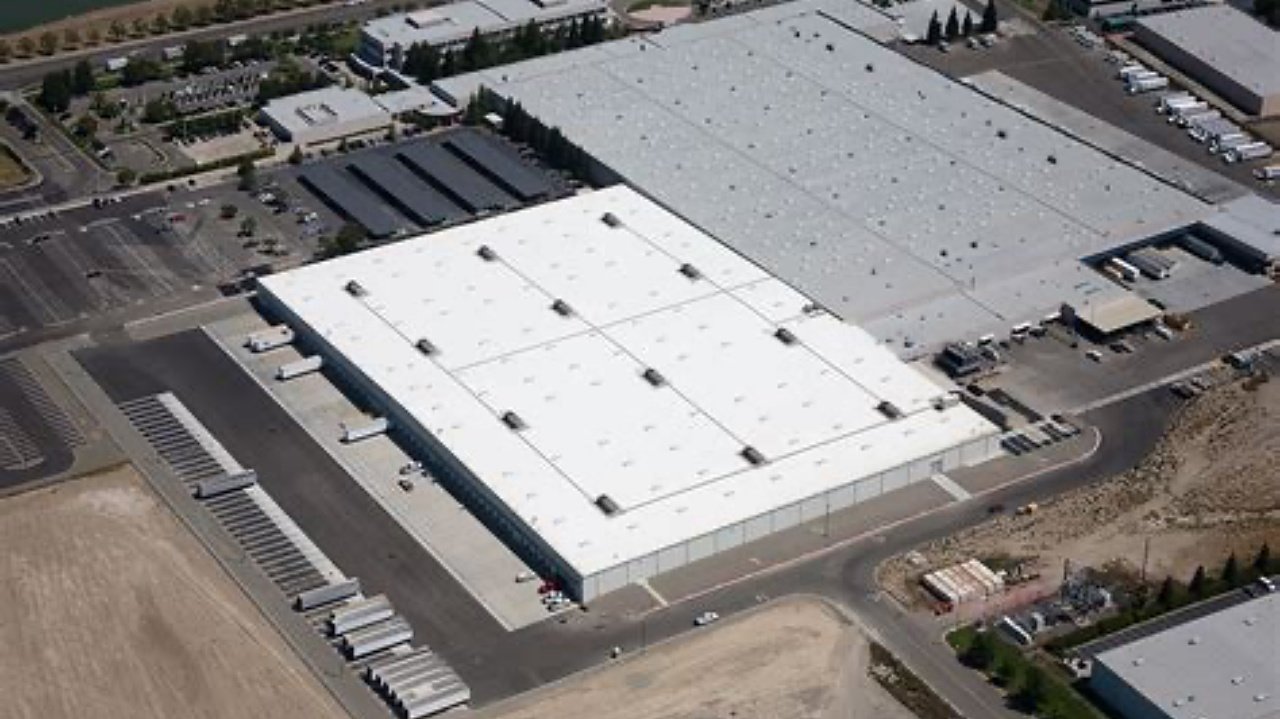
When you track a package and see the status “Arrived at USPS Regional Facility,” it often sparks a mix of anticipation and confusion. For the average recipient, this message represents a black box in the logistics chain. However, understanding what happens inside these massive processing hubs is key to managing expectations regarding delivery timelines and troubleshooting potential delays in the United States Postal Service network.
A USPS regional facility, formally known as a Processing and Distribution Center (P&DC), is the backbone of the domestic mail system. Unlike local post offices that serve a specific neighborhood, these facilities are industrial-grade environments designed to ingest, sort, and dispatch millions of pieces of mail and parcels every 24 hours. They operate 365 days a year, utilizing high-speed automation to organize items based on their final destination zip codes.
These facilities act as the “middleman” between the drop-off point and the final destination post office. When a package arrives here, it is essentially being routed toward the region corresponding to the recipient’s address. Understanding this hierarchy helps explain why a package might travel across several states, arrive at a regional facility, and then seemingly “disappear” or sit idle for a day or two.
Add your first comment to this post