
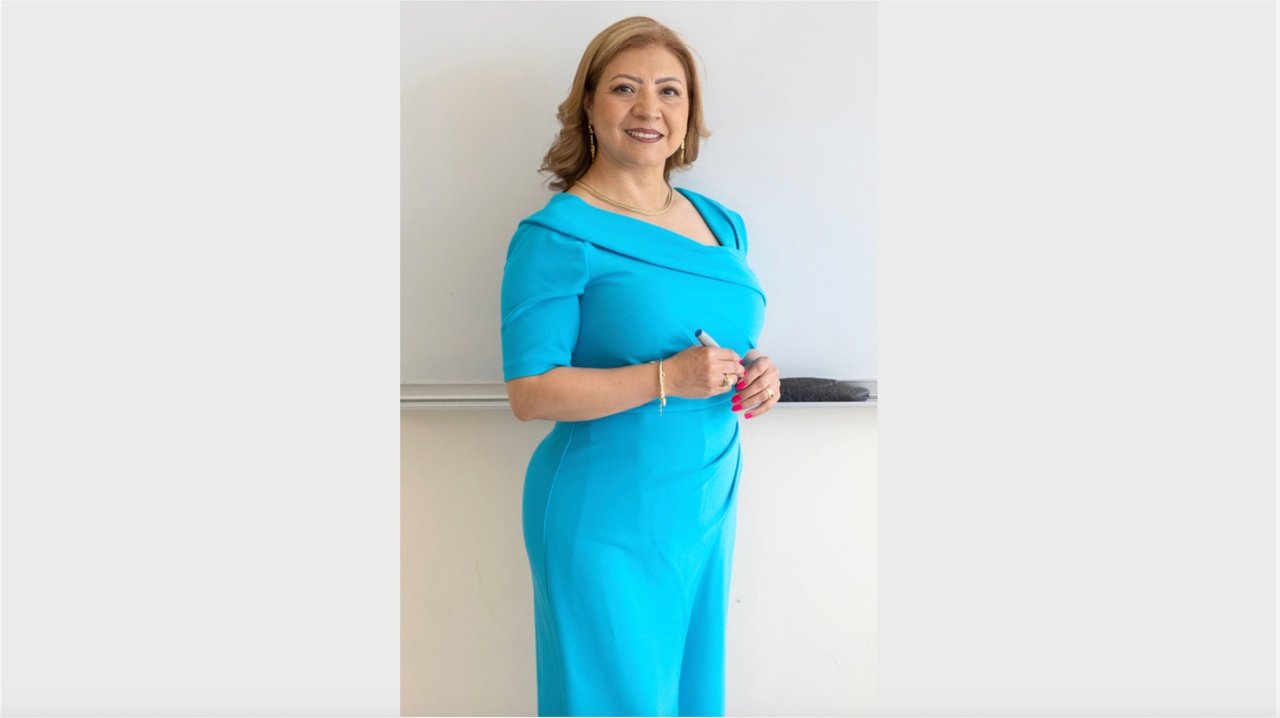
Mireya Tipantasig, a native of Ecuador, understands the power of language.
Since 2017, the Bridgeport, CT, letter carrier has worked as an adjunct professor at the University of Bridgeport, teaching English 101 and all levels of Spanish.
Tipantasig is no ivory-tower academic, however. In fact, it was her reputation as a helpful bilingual carrier on her walking route that brought her to the attention of a clinician who in 2021 was searching for the right person to teach a new grant-funded English as a second language (ESL) class for domestic violence survivors receiving support services at a local nonprofit.
It’s a role she does not take lightly.
“As an ESL teacher, my responsibilities extend far beyond just teaching English,” she said.
Many of Tipantasig’s students have been economically and socially dependent on an abusive partner, so lessons may include advice on practical matters such as navigating doctors’ offices, applying for a job, ordering food or even using the Post Office.
But learning English is the main focus of the class. “The inability to speak English creates an economic barrier for survivors seeking to live a safe and independent life,” she explained.
Her students’ stories of abuse and trauma can be troubling, but the work nevertheless brings her joy: “We focus on the beauty of life and the opportunities that are presented” when linguistic and psychological barriers are removed.
The USPS employee is mindful that it was her reputation as a helpful presence on her route — building bridges in Bridgeport — that brought her the opportunity to teach the class, and she seeks to strengthen those community ties every day.
One reason she recently became a notary public, for example, was to help elderly and Spanish-only customers. “The documents they receive in the mail can be very important,” she said. “Some customers have questions about them and are too embarrassed to ask.”
Tipantasig is a devout Catholic and finds in her faith the “comfort, strength and guidance” to accomplish all that she does, including happily caring for her multigenerational family. “I’m convinced I must be a light in my home first,” she said, “and then illuminate the lives outside.”
She also finds inspiration and motivation in her students’ successes, and she sees teaching as a way “to build a better society and a better world, with justice and rights for all.”
Quoting Hebrews 11:1, she describes faith as “the evidence of things hoped for, the conviction of things not seen.”
It’s a sentiment that would no doubt resonate with the struggling souls in her class striving for a brighter future.
Add your first comment to this post