
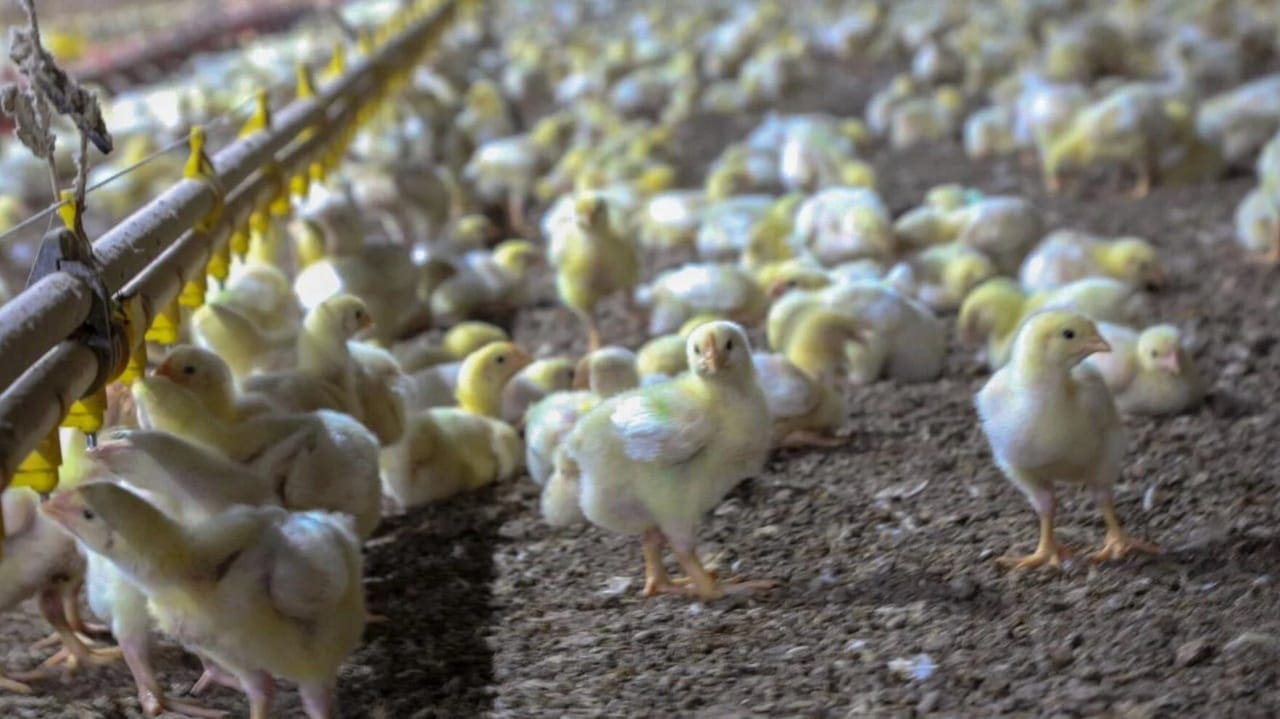
Among the oddities in the mail stream, cardboard cartons of day‑old chicks have been a mainstay since 1918, rattling across the country in the dark, chirping their way from hatcheries to homesteads and industrial broilers. The Postal Service handled more than 41 million live poultry shipments through its air network in 2024. Hatcheries ship the birds when they’re only a day old, and as long as they arrive at their destination within about 48 hours, the chicks can safely go that long without food or water.
When everything goes right, it’s a fragile but functional system; when it doesn’t, the results can be grim.
“Saddest thing to see”
Catherine Wolcott, a Geauga County poultry producer, raises more than 6,000 birds a year alongside her family, with chicks arriving at least once a month. Over the years, they’ve added land, built a barn to overwinter more birds and opened a farm store to sell meat directly to customers.
Wolcott orders her chicks from a small hatchery in Pennsylvania; she could switch to one close enough for in‑person pickup, but her hatchery sells the slower‑growing Ranger birds her family prefers at the lowest price she can find. They also have responsive customer service, which she likes. Plus, making the drive would mean a 10‑hour round trip, so the family opts to have chicks shipped instead. Along the way, Wolcott has become intimately familiar with the vulnerabilities of sending live animals through the mail.
“More people need to know about the issues,” she said.