
The sky was the limit in 1925: An act of Congress authorized the postmaster general to contract for airmail service, and in 1926, the first commercial airmail took flight.
Trans-Atlantic and trans-Pacific airmail routes followed in the 1930s.
By the 1940s, the challenges of World War II sparked innovations in many fields, and the postal system was no exception.
In 1942, Congress determined that military members serving overseas could mail personal letters for free. Those letters took up precious space on planes, however. Enter V-Mail —letters written on special stationery and transferred to microfilm. More than a billion letters were sent to members of the armed forces via V-Mail between June 1942 and November 1945.
There were plenty of conventional letters, too. The “Six Triple Eight” was a mostly African American Women’s Army Corps battalion that famously delivered a massive wartime backlog of letters in less than half the time allotted, despite harsh conditions and the indignities of segregation. Their motto was “No Mail, Low Morale.”
Because thousands of experienced employees were busy with the war effort, a delivery zone numbering system was established in 1943 in the nation’s largest cities, designed to help new employees sort mail. Twenty years later, the ZIP Code was born.
Other noteworthy milestones of the mid-20th century include the formation of the Citizens’ Stamp Advisory Committee in 1957; the first National Postal Forum in 1967; and even space mail, with the crew of Apollo 11 canceling the first piece of mail carried to the moon.
But no year since the founding of the organization was as pivotal as 1970, when a wildcat strike by letter carriers spread across the country and effected real change.
The result was the Postal Reorganization Act, the most comprehensive postal legislation since the country’s founding. It transformed the Post Office Department — a taxpayer-supported cabinet-level arm of government — into the U.S. Postal Service, a unique hybrid entity that was part business, part government agency.
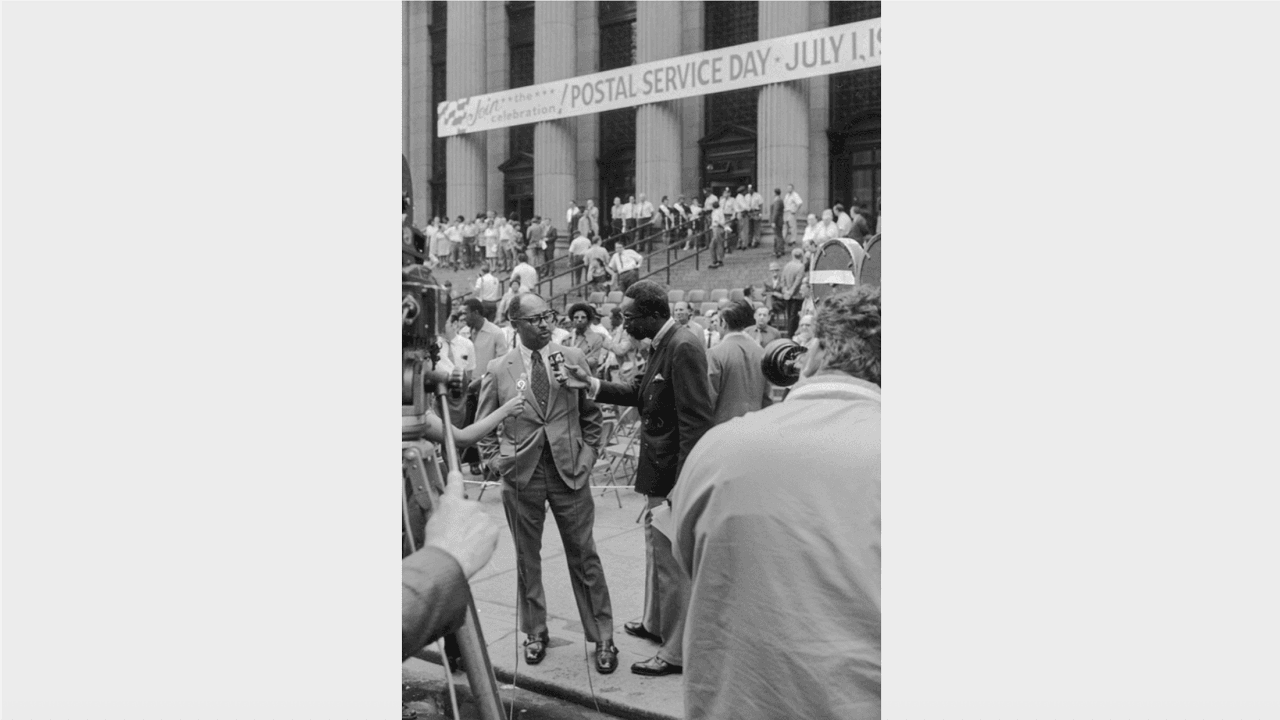
On July 1, 1971, USPS officially began operations.
Add your first comment to this post