
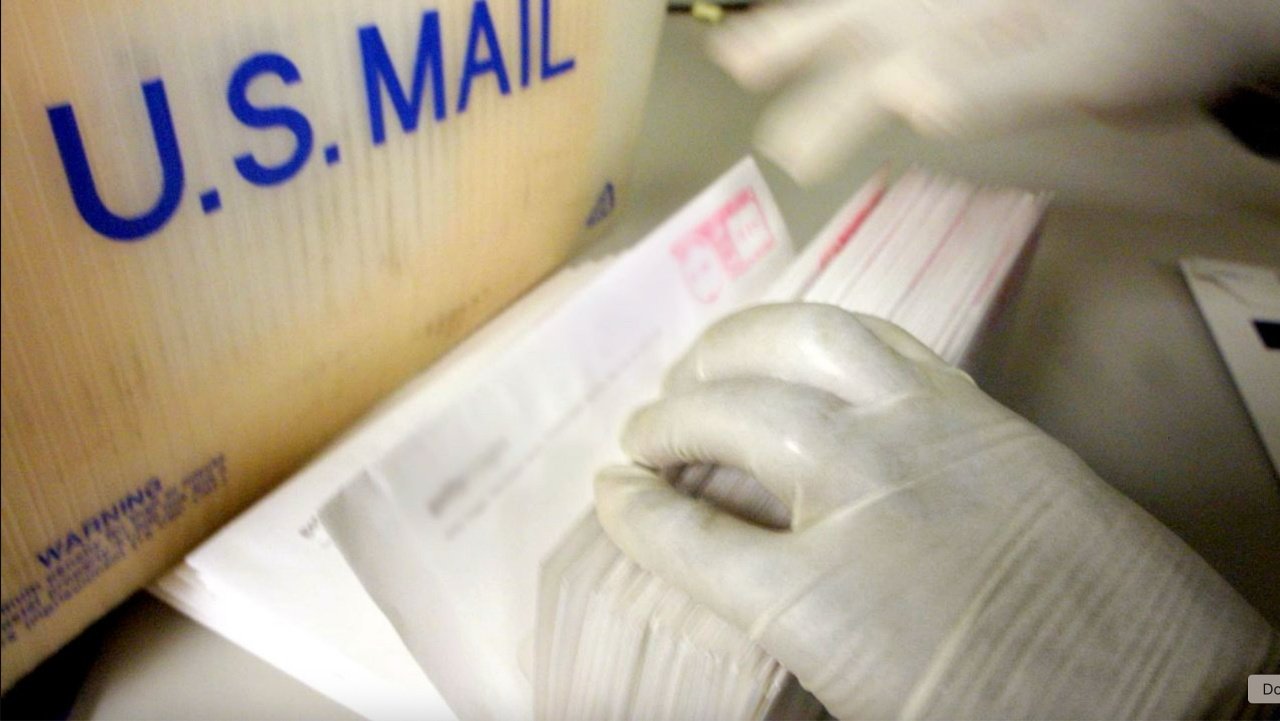
It has been 25 years since a series of letters containing anthrax powder were distributed through the U.S. Postal System in an act of bioterrorism. In the weeks following the fateful attacks of September 11th, 2001, letters containing a powdery form of anthrax were mailed to several major news media outlets and the offices of two U.S. senators. Amid the uncertainty and fear surrounding these attacks, an estimated 32,000 people across Florida, New Jersey, New York, and Washington, D.C., received preventative antibiotics.
Twenty-two people became infected, five of whom eventually died. Dozens of buildings were contaminated with anthrax spores, with decontamination efforts taking several years and costing hundreds of millions of dollars. The ensuing FBI investigation to find who mailed the anthrax letters became one of the largest and most complex in the history of law enforcement. And much is still unknown about the motivations and origins of these attacks.
During today’s conversation we will not only reflect on how the United States responded to the anthrax attacks 25 years ago, but how that experience motivated much of our foundational bio defense infrastructure. We will explore current U.S. efforts and capabilities to deter future bioterrorist attacks, identify and attribute attacks accordingly, and mitigate their impacts on the health and wellbeing of Americans.
Add your first comment to this post